Posted on 9/29/2026
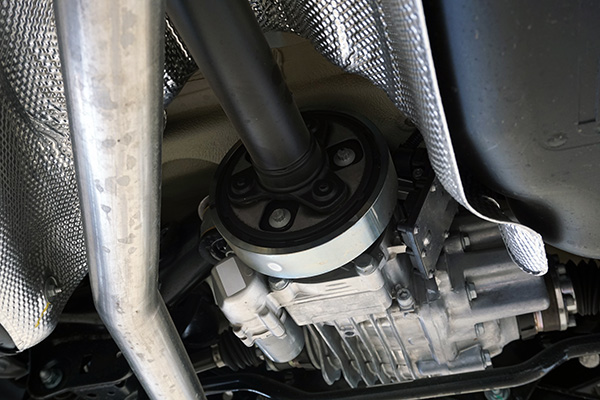
The car shakes while accelerating onto the highway, then settles as soon as you ease off the pedal. Tight parking turns are quiet. Since you've heard that a bad CV joint clicks, it's easy to dismiss the axle and start thinking about tires or an engine problem instead. The absence of that familiar click doesn't settle the diagnosis. Where a joint sits on the axle affects how it moves and how wear feels. A vibration tied closely to pulling power deserves a different check from one that continues unchanged while the car coasts at the same speed. Inner and Outer Joints Have Different Jobs Both joints transfer power while allowing the axle to change angle. The outer joint near the wheel also handles large steering angles on driven front wheels. The inner joint accommodates suspension movement and, on many designs, slides in and out as the required axle length changes. A worn outer joint often causes repeated clicking in powered turns. An inner joint can inst ... read more
Posted on 8/28/2026

A power steering fluid leak can look pretty minor at first. You see a damp spot under the front of the car, top off the reservoir, and the steering still feels normal enough. The problem is that the steering rack depends on that fluid for hydraulic pressure and lubrication. If the system keeps running low, the rack can start wearing internally. By the time the steering feels noticeably different, the original leak may no longer be the only problem we need to deal with. The Steering Starts Feeling Heavier One of the first things drivers notice is extra effort at the steering wheel. It might be most obvious while parking, making a tight turn, or backing out of a space. At road speed, the steering can still feel fairly normal because the tires are easier to turn once the vehicle is moving. Low fluid alone can make the steering heavy, so that symptom does not automatically mean the rack is damaged. We check the fluid level, pump operation, hoses, belt drive where appli ... read more
Posted on 7/31/2026
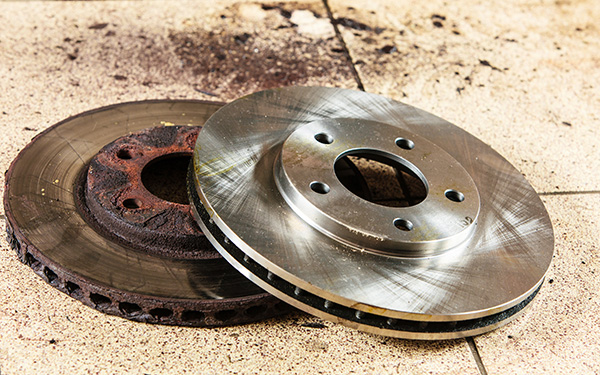
A lot of drivers assume that because electric vehicles use regenerative braking, they barely need brake service at all. At our shop, we hear that idea all the time. Someone buys an EV, loves the smooth one pedal driving feel, and starts wondering if brake jobs are basically a thing of the past. The short answer is no. Electric vehicles still need brake repair and brake maintenance. The difference is that the pattern can look a little different than it does on a gas powered car. In many EVs, the friction brakes may last longer because regenerative braking helps slow the vehicle down without asking the brake pads and rotors to do all the work every time. That is the good news. The part people miss is that longer life is not the same as no wear. Brakes still age, components still corrode, fluid still needs attention, and real brake problems can still show up if the system is ignored for too long. EV brake service is less about pretending the brakes are magically maintenance free and mor ... read more
Posted on 6/26/2026
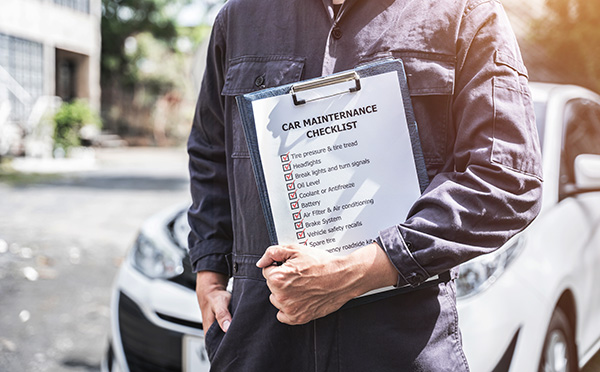
Summer has a way of making people drive more. There are weekend trips, family visits, errands in the heat, road trips, and all the little extra miles that seem to show up once the weather gets nicer. It is also the time of year when a lot of small vehicle problems turn into larger, more expensive ones. At our auto repair shop, we see that pattern every year. A battery that was already weakening finally gives up in a hot parking lot. Tires that were only “a little worn” start wearing faster on hot pavement. A cooling system that seemed okay in spring suddenly cannot keep up in traffic. And once those issues become breakdowns, the repair bill usually gets bigger than it needed to be. That is why summer maintenance is one of the easiest ways to save money on your car. It is not just about keeping the vehicle running. It is about catching the small stuff before it turns into a tow truck, a ruined travel plan, or a much more expensive repair. Start With Your Tires ... read more
Posted on 5/29/2026
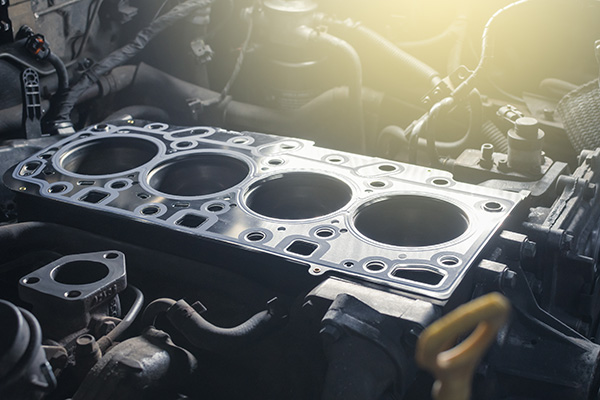
An overheating engine can leave you with a strange kind of hope. The warning light comes on, the gauge climbs, you pull over, and after a while, the temperature drops again. The car restarts. Maybe it even drives normally for a few days. That does not always mean the engine escaped damage. A blown head gasket is one of the more serious problems that can follow overheating. It does not happen every time a vehicle runs hot, but once the temperature gets high enough, the gasket and the metal surfaces around it can lose the seal they were built to hold. What The Head Gasket Does The head gasket sits between the engine block and the cylinder head. Its job is to seal combustion, oil, and coolant passages while the engine runs. Those three areas are close together, but they cannot mix. Combustion pressure needs to stay in the cylinders. Coolant needs to stay in the cooling system. Oil needs to stay in the lubrication system. When the head gasket fails, those boundaries c ... read more
Posted on 4/30/2026
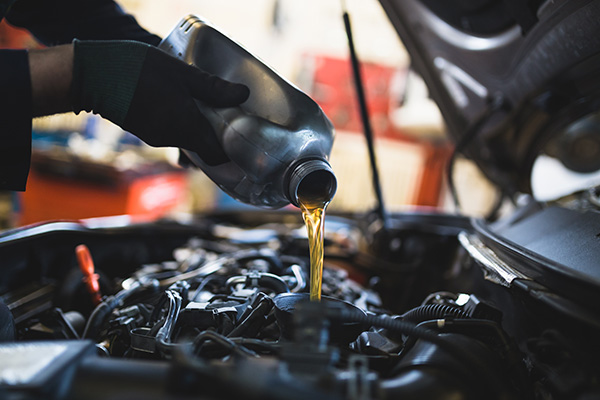
Oil change intervals have become a bit confusing over the years. Some drivers still follow the old 3,000-mile rule, while others stretch it much further in line with newer recommendations. The problem is, there is no one-size-fits-all answer. The right timing depends on your vehicle, how you drive, and the type of oil being used. Understanding what affects oil life helps you avoid changing it too early or too late. Why Engine Oil Breaks Down Over Time Engine oil does more than lubricate moving parts. It also helps control temperature, reduce friction, and carry away contaminants. Over time, heat and use break down the oil’s ability to do these jobs effectively. As oil degrades, it becomes less effective at protecting internal components. Contaminants begin to build up, and the oil thickens or loses its proper balance. How Driving Habits Affect Oil Life Driving conditions have a big impact on how quickly oil breaks down. Short trips, frequen ... read more
Posted on 3/27/2026
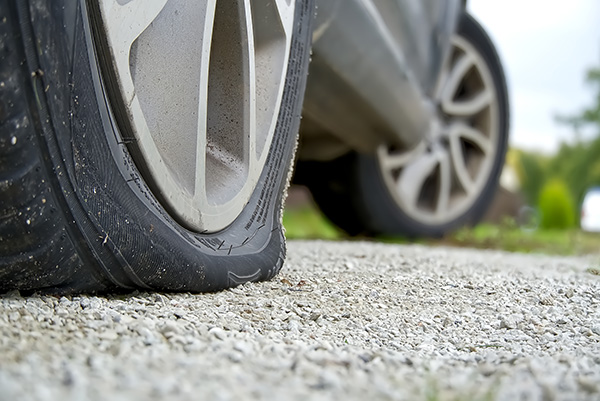
A tire that keeps deflating without an obvious cause can get frustrating fast. You put air in it, it looks fine for a little while, and then the same tire is low again. There is no screw in the tread, no dramatic damage, and no easy answer staring back at you. Usually, the air is escaping from somewhere drivers do not think to check first. Why A Tire Can Lose Air Without A Visible Hole A tire only holds air when the entire assembly seals properly. That means the tire, wheel, valve stem, and bead area all have to stay airtight. If one of those areas starts leaking, the tire can keep losing air even though the tread surface looks completely normal. That is why this problem is easy to misjudge. Drivers often focus only on the tire itself when the real issue may be at the wheel or the valve stem. Valve Stems Are A Very Common Leak Source Valve stems cause more slow leaks than a lot of people realize. Rubber stems get older, dry out, and crack. The va ... read more
Posted on 2/27/2026

A battery light on the dashboard can be confusing because the car may still start and drive normally. Most of the time, that light is not telling you the battery is bad. It is warning that the charging system is not keeping the battery topped off while you drive. If you ignore it, you can end up with a dead battery and a stalled vehicle at the worst possible time. What The Battery Light Is Actually Warning You About That light usually means the vehicle is running on battery power more than it should. The alternator is supposed to power the electronics and recharge the battery at the same time. When the system cannot keep the voltage where it belongs, the battery starts draining even while the engine is running. Some cars will turn on the light steadily, and others will have it flicker, especially at idle. Either way, it means the charging system needs attention. The sooner it is addressed, the less likely you are to damage the battery or get stranded. Commo ... read more
Posted on 1/30/2026

A vibration that only shows up at highway speed can drive you crazy. Around town, the car feels fine, then you hit the freeway, and the steering wheel starts buzzing, the seat starts humming, or the whole cabin feels like it’s lightly shaking. The good news is that highway-speed vibrations usually follow patterns. If you pay attention to when the vibration starts, where you feel it, and whether it changes with braking or acceleration, you can narrow it down quickly and avoid fixing the wrong thing. The Most Common Highway Vibration Pattern The classic vibration is one that appears around a specific speed range, often somewhere between 55 and 75 mph. It might fade if you go faster or slower. That pattern strongly suggests a tire or wheel balance issue, because imbalance creates a shake that peaks at certain speeds. If the vibration is new after tire work, a lost wheel weight or imperfect balance is a prime suspect. If it started after hitting a pothole, a bent ... read more