Posted on 9/29/2026
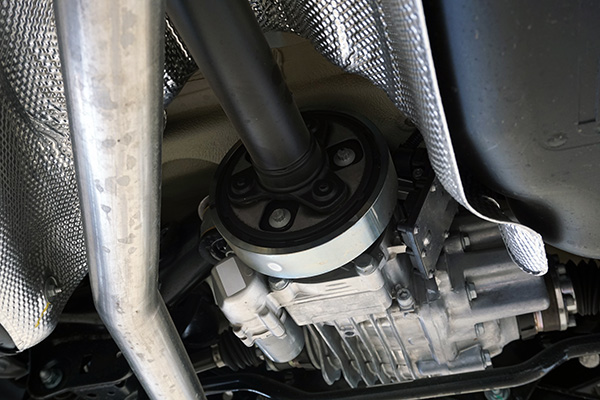
The car shakes while accelerating onto the highway, then settles as soon as you ease off the pedal. Tight parking turns are quiet. Since you've heard that a bad CV joint clicks, it's easy to dismiss the axle and start thinking about tires or an engine problem instead. The absence of that familiar click doesn't settle the diagnosis. Where a joint sits on the axle affects how it moves and how wear feels. A vibration tied closely to pulling power deserves a different check from one that continues unchanged while the car coasts at the same speed. Inner and Outer Joints Have Different Jobs Both joints transfer power while allowing the axle to change angle. The outer joint near the wheel also handles large steering angles on driven front wheels. The inner joint accommodates suspension movement and, on many designs, slides in and out as the required axle length changes. A worn outer joint often causes repeated clicking in powered turns. An inner joint can inst ... read more