An overheating engine can leave you with a strange kind of hope. The warning light comes on, the gauge climbs, you pull over, and after a while, the temperature drops again. The car restarts. Maybe it even drives normally for a few days.
That does not always mean the engine escaped damage.
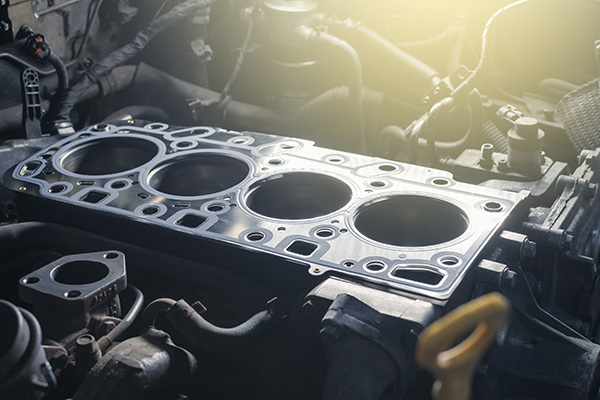
A blown head gasket is one of the more serious problems that can follow overheating. It does not happen every time a vehicle runs hot, but once the temperature gets high enough, the gasket and the metal surfaces around it can lose the seal they were built to hold.
What The Head Gasket Does
The head gasket sits between the engine block and the cylinder head. Its job is to seal combustion, oil, and coolant passages while the engine runs. Those three areas are close together, but they cannot mix.
Combustion pressure needs to stay in the cylinders. Coolant needs to stay in the cooling system. Oil needs to stay in the lubrication system. When the head gasket fails, those boundaries can break down.
That can lead to coolant entering a cylinder, combustion gases entering the cooling system, or oil and coolant mixing. Any of those problems can make the repair more serious than a simple cooling system leak.
Why Overheating Can Damage The Gasket
Engines are designed to run hot, but within a controlled range. When the engine overheats, metal expands more than normal. The cylinder head can warp slightly, especially on aluminum-headed engines.
Even a small amount of warping can keep the head gasket from sealing evenly. The gasket may get crushed, burned, or weakened in one area. Once that seal is damaged, the engine may keep overheating because pressure and coolant are no longer staying where they belong.
That is why driving through an overheating warning is risky. A few extra miles can turn a repair to a hose, thermostat, radiator, or water pump into an engine problem.
Coolant Loss Is A Common Early Clue
Coolant does not disappear without a reason. If the reservoir keeps dropping, there may be an external leak, a pressure problem, or an internal leak. The tricky part is that not every coolant leak leaves a puddle.
Coolant can dry on hot engine parts, leaving crusty residue near a hose, radiator seam, thermostat housing, water pump, or reservoir. If the head gasket is damaged, coolant may enter a cylinder and burn off through the exhaust rather than drip onto the ground.
If you keep adding coolant and the level keeps falling, do not treat it as routine maintenance. That pattern deserves an inspection before the engine overheats again.
White Smoke And Rough Starts Can Point Deeper
A little vapor from the exhaust on a cold morning can be normal. Thick white smoke that continues after the engine warms up is different. If coolant enters a cylinder, it can burn with the air-fuel mixture and leave a sweet-smelling white exhaust cloud.
Another clue is a rough start after the vehicle sits overnight. A small amount of coolant can seep into one cylinder while the engine is off. When you start the car, that cylinder may stumble for a few seconds before clearing up.
Those symptoms can be mistaken for ignition or fuel trouble. The pattern is what changes the conversation, especially if the vehicle recently overheated or is also losing coolant.
Bubbles Or Pressure In The Coolant Reservoir
A damaged head gasket can let combustion pressure push into the cooling system. When that happens, you may see bubbles in the coolant reservoir, coolant pushed out after driving, or hoses that get firm very quickly after startup.
Air pockets can also make the heater act strangely. It may blow warm, then cool, then warm again. The temperature gauge may climb in traffic and then settle down once the vehicle moves.
Those signs can overlap with trapped air from recent cooling system work, so testing is important. If air or pressure keeps returning, there is a reason it is getting into the system.
Milky Oil Is A Serious Warning
Oil and coolant should never mix. If coolant gets into the oil, the oil may look milky, creamy, or foamy on the dipstick or under the oil cap. Coolant contamination can reduce lubrication and put bearings, timing components, and other internal parts at risk.
A small amount of moisture under the oil cap can sometimes occur after short trips, especially in cold weather. But milky oil paired with overheating, coolant loss, white smoke, or rough running needs attention right away.
At that point, continuing to drive can cause damage beyond the original gasket problem.
What To Do If Your Engine Overheats
If the temperature gauge climbs or a warning light comes on, turn off the A/C and reduce engine load. If the temperature keeps rising, pull over safely and shut the engine off. Do not remove the coolant cap while the engine is hot. Hot, pressurized coolant can spray out quickly.
Let the engine cool before checking anything. If the coolant is low, leaking, or the warning returns soon after restarting, driving farther is not worth the risk.
Regular maintenance helps catch weak hoses, low coolant, old coolant, worn caps, and small leaks before heat causes more serious damage. Once an overheating event has occurred, the cooling system and engine should be carefully checked to determine how far the problem has progressed.
Get Head Gasket And Overheating Service In Denver, CO, With Mancinelli's Auto Repair Center
If your vehicle overheats, keeps losing coolant, blows white smoke, runs rough after sitting, or shows signs of head gasket trouble, Mancinelli's Auto Repair Center in Denver, CO, can test the cooling system and check for engine damage.
Schedule a visit before another overheating episode turns a repairable cooling issue into a larger engine repair.