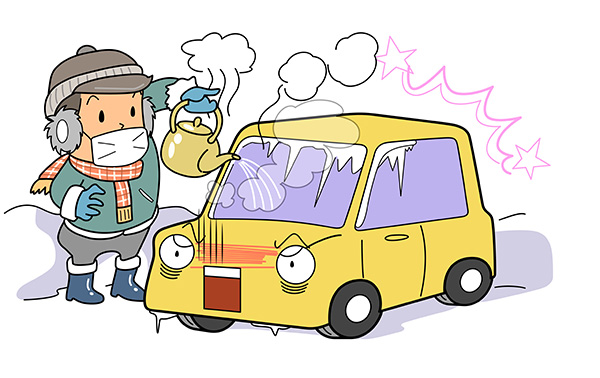
You stumble out on a freezing morning, see a sheet of ice on the glass, and the kettle is already hot in the kitchen. Pouring hot water over the windshield sounds like a clever shortcut. It feels satisfying for a few seconds, right up until that same shortcut can crack the glass you are trying to save time with.
Why Pouring Hot Water on Glass Seems Like a Quick Fix
When you are in a rush, hot water looks like the fastest answer. It melts ice instantly and feels more efficient than waiting on the defroster or scraping. That “instant clear” effect is why so many videos and tips keep circling online every winter.
What those clips rarely show is what happens to the glass after you walk away. Windshields are strong, but they are not designed for sudden, extreme temperature swings. The damage usually builds quietly, then shows up as chips or spider cracks later in the season.
What Sudden Temperature Change Does to Your Windshield
Your windshield is laminated glass, bonded under high pressure with a plastic layer in the middle. It likes gradual changes, not a blast of heat on an icy surface. When you pour very hot water over a cold glass, the outer surface expands faster than the inner layers.
That uneven expansion creates stress. If the glass already has tiny stone chips or weak spots, those stresses concentrate right there. You might see a crack form immediately, or you might only notice it days later, spreading from a rock chip that seemed harmless before.
Real Risks: Cracks, Chips, and Sudden Shattering
Using hot water on ice does more than just “stress” the glass in theory. It can lead to:
- Small chips turning into long, running cracks across the windshield
- New cracks are appearing where the glass was already slightly weakened
- Damage around the edges where the glass meets the frame, which is harder to repair
- In extreme cases, sudden cracking that ruins visibility on the spot
Once a crack reaches the edge of the windshield or runs through your primary viewing area, repair stops being an option, and replacement becomes the only real fix. That is a lot of cost and hassle created by trying to save a couple of minutes in the driveway.
Safer Ways to Defrost Your Windshield Quickly
You can still clear your glass without spending half an hour outside. Safer options include:
- A proper ice scraper and soft brush to remove snow and thick ice
- Commercial de-icer spray designed for automotive glass
- A homemade solution with room-temperature water and a small amount of safe de-icing fluid (never boiling or near-boiling water)
- Starting the car a little earlier, letting the climate control begin warming the glass from the inside
The key idea is gradual warming and mechanical removal, not shocking the glass. Even with sprays, it helps to let them sit briefly before scraping so the ice loosens instead of fighting it.
Using Your Car’s Defrost System the Right Way
Many heaters and defrosters can clear glass faster than people expect if they are set up correctly. A simple approach looks like this:
- Start the engine and set the climate control to the defrost or defog mode so air flows to the windshield.
- Turn the fan to a medium or higher speed, and set the temperature to warm, not max heat right away.
- Make sure the A/C function is on and recirculate mode is off, so you are drying the air and bringing in fresh air.
- As the glass warms from the inside, use a scraper on the outside to remove softened ice.
We often see defrost complaints that trace back to the system being set to recirculate, or the A/C being off. Used correctly, the built-in system is designed to clear the glass without stressing it.
Everyday Habits to Prevent Heavy Ice Build-Up
Preventing thick ice in the first place makes winter mornings easier. Simple habits help more than most people think. Parking under cover, even a simple carport, cuts down on frost. Using a dedicated windshield cover or even a proper frost guard on nights when you know it will freeze keeps ice off the glass entirely.
Avoid using wipers to hack at thick ice. That wears out blades and can stress arms and linkages. Instead, let the defroster do some work, then scrape. If your car regularly struggles to defrost or the airflow feels weak, a plugged cabin filter or HVAC issue may be part of the problem, and that is something we can help you sort out before winter really settles in.
Get Safe Defrosting Help in Denver, CO with Mancinelli's Auto Repair Center
If you are tired of fighting ice every morning, or your defroster seems weak enough that hot water starts to feel tempting, it is a good time to have the system checked. We can inspect your heater, blower, controls, and glass, and suggest safe ways to make winter mornings easier on both you and your windshield.
Schedule winter defrosting and HVAC service in Denver, CO with Mancinelli's Auto Repair Center, and we will help you avoid cracked glass while keeping your vision clear.