A lot of drivers assume that because electric vehicles use regenerative braking, they barely need brake service at all. At our shop, we hear that idea all the time. Someone buys an EV, loves the smooth one pedal driving feel, and starts wondering if brake jobs are basically a thing of the past.
The short answer is no. Electric vehicles still need brake repair and brake maintenance. The difference is that the pattern can look a little different than it does on a gas powered car.
In many EVs, the friction brakes may last longer because regenerative braking helps slow the vehicle down without asking the brake pads and rotors to do all the work every time. That is the good news. The part people miss is that longer life is not the same as no wear. Brakes still age, components still corrode, fluid still needs attention, and real brake problems can still show up if the system is ignored for too long. EV brake service is less about pretending the brakes are magically maintenance free and more about understanding how they wear differently and why they still matter.
Why People Think EV Brakes Last Forever
The biggest reason EV brakes often last longer is regenerative braking. Instead of relying only on brake pads and rotors to slow the car down, the electric motor helps create resistance and recapture energy when you lift off the accelerator or press the brake, depending on the system design.
That means the friction brakes are not always being used as heavily as they are in a conventional vehicle. In everyday driving, especially around town, the regenerative system can handle a surprising amount of the slowing work. Less friction brake use usually means less pad wear and less heat.
That part is real. Many EV owners do go longer between brake jobs than drivers in comparable gas powered vehicles.
Longer Lasting Does Not Mean Maintenance Free
This is where we usually slow the conversation down a bit. Even if the pads are wearing more slowly, the rest of the brake system is still living on the vehicle every day. Rotors still sit exposed to moisture. Calipers still have moving parts. Brake fluid still ages. Hardware still has to slide and release correctly.
In fact, one of the more interesting things we see with EVs is that sometimes the brakes do not wear out in the traditional sense as quickly, but they can still develop problems because they are not being worked hard enough often enough to keep everything clean and moving smoothly.
That means an EV can absolutely still need brake repair, even if the pads look thicker than you would expect for the mileage.
Rotor Rust Can Become A Bigger Deal
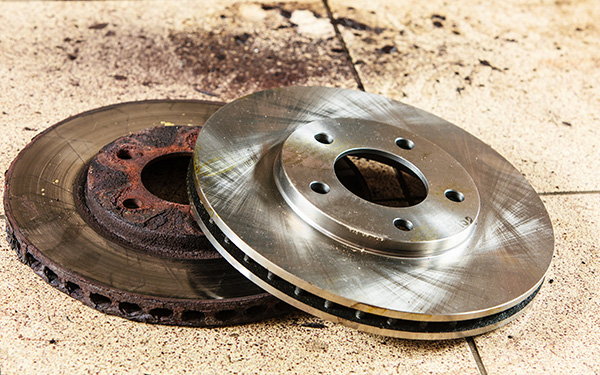
A lot of EV owners are surprised by this one. Because regenerative braking reduces how often the friction brakes are used, the rotors may not get scrubbed as regularly as they do on a gas vehicle. In certain climates, especially where there is moisture, road salt, or long periods of sitting, that can allow rust and corrosion to build up more aggressively.
On a conventional car, regular brake use often helps keep the rotor surfaces cleaner. On an EV, lighter use of the friction brakes can sometimes leave more opportunity for rust to linger.
At our shop, we pay close attention to rotor condition on EVs for exactly this reason. The pads may not be worn out, but the rotor surfaces can still become rough, pitted, or uneven enough to need service.
Brake Calipers Can Still Stick
Another issue that does not disappear in an EV is caliper trouble. Brake calipers still need to apply and release properly. If a caliper starts sticking, one pad can drag against the rotor and create uneven wear, heat, and poor braking feel. That can happen on an electric vehicle just like it can on any other vehicle.
In some cases, because the friction brakes are not being used as aggressively every day, small sticking issues may not reveal themselves in the same obvious way at first. But they are still there, and they still matter.
A sticking brake on an EV can hurt efficiency, create noise, cause pulling during braking, and wear out parts that otherwise might have lasted much longer.
Brake Fluid Still Needs Attention
This is one of the biggest misconceptions we run into. Drivers hear that EV brake pads may last longer and assume the whole brake system can basically be forgotten. Brake fluid does not work that way.
Brake fluid absorbs moisture over time. That is true whether the car burns gasoline, diesel, or nothing at all. As brake fluid ages, its ability to handle heat and pressure the way it should starts to decline. Moisture contamination can also contribute to corrosion inside brake components over time.
So even if the pads are still in good shape, brake fluid service can still be part of proper EV maintenance. The system still relies on hydraulic braking when needed, and that hydraulic side has to stay healthy.
EVs Still Need Strong Emergency Braking
One thing we always remind people is that regenerative braking is helpful, but it does not replace the need for full stopping power when you really need it. In panic stops, emergency situations, wet roads, steep hills, or harder braking events, the friction brakes still need to be ready to do their job properly.
That is why we never like the idea of treating EV brakes like an afterthought. The car may use them differently, but when the moment comes that you need full braking performance, you want the whole system to be healthy and ready.
Signs An EV May Need Brake Repair
The warning signs are often very familiar, even if the vehicle itself is different. A few of the most common clues include:
- Squeaking or grinding noises
- Pulsing or vibration while braking
- Pulling to one side
- A brake pedal that feels soft or unusual
- Reduced braking confidence
- Visible rotor rust or rough rotor surfaces
- Brake warning lights
At our shop, we treat these symptoms seriously on EVs just like we would on any other vehicle. The fact that the car uses regenerative braking does not make these signs harmless.
Why Brake Inspections Still Matter
One of the smartest things an EV owner can do is keep brake inspections part of the maintenance routine, even if the brakes seem fine. Waiting for severe symptoms is not a great strategy, especially because some EV brake issues are more about corrosion and sticking than simple pad thickness.
During a brake inspection, we are not only asking how much pad is left. We are also looking at rotor condition, caliper movement, hardware condition, fluid health, and the overall feel of the braking system. That full picture matters a lot more than one quick glance through the wheel.
In Some Cases The Brakes Need More Use, Not Less
This may sound strange, but some EV owners benefit from intentionally using the friction brakes a little more often in normal driving once in a while, depending on the vehicle and conditions. That can help keep rotor surfaces cleaner and reduce the chance of the brakes getting lazy from too little use.
We are not talking about driving badly or wearing them out on purpose. We are talking about understanding that brakes are still mechanical parts that benefit from occasional full engagement.
Get Outstanding EV Brake Repair
Electric vehicles do need brake repair and brake maintenance. The difference is that regenerative braking often helps the pads last longer, while other issues like rotor rust, caliper sticking, and aging brake fluid can still create real problems over time. EV brakes may wear differently, but they are not maintenance free.
If your electric vehicle is making brake noise, feeling different during stops, or simply due for a brake inspection, turn to the team at Mancinelli's Auto Repair Center in Denver, CO. Call us today or stop by to schedule a brake inspection.