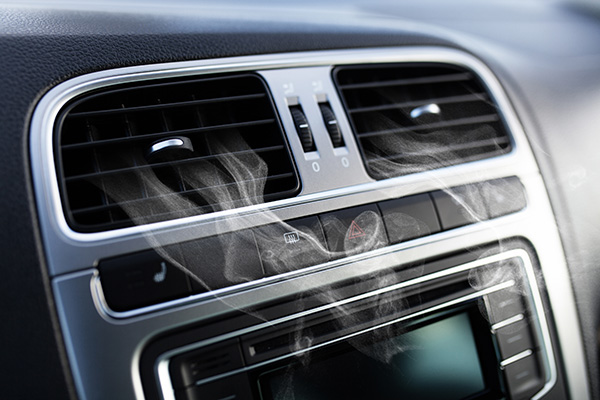
Fuel odor inside the cabin needs a prompt response. If it is strong, persistent, or accompanied by visible leakage, pull over safely, shut down, and arrange help.
The smell sometimes begins after refueling. Other times it appears while driving or when the ventilation starts. Those patterns help locate the source, but none should be used to dismiss an odor that keeps returning.
At Mancinelli's Auto Repair Center, we inspect the fuel system and the route carrying the smell into the car. The repair must address both the source and any damaged components that let the odor reach passengers.
Fuel Leaks Around the Engine
Fuel lines, connections, injectors, and associated seals operate in a hot, crowded area. A leak there puts fuel or vapor near components that can ignite it. A strong smell near the front of the car, smoke, or wet fuel requires stopping use. Don't open connections, search around a running engine, or try to wipe away a leak and continue. Fuel-system pressure varies by design and remains a safety concern during inspection. We use the vehicle's procedures to depressurize and test the system. The exact location should be confirmed before parts are replaced, since fuel sometimes travels across a surface before it becomes visible.
Fuel Tank, Filler, and Rear-Vehicle Leaks
A smell strongest near the rear brings the tank, filler pipe, seals, connections, and related plumbing into the review. Damage, age, or a disturbed connection sometimes opens a leak path.
The fuel level affects some symptoms. A fault near the top of the tank might become more noticeable after filling, while another leak appears during ordinary driving. Record the timing without repeatedly filling the tank as a test.
Underbody panels sometimes hide leakage from a quick parked glance. The absence of a driveway puddle doesn't mean the fuel system is in good shape. Persistent odor still calls for inspection.
Avoid crawling under the vehicle to look for fuel, especially near hot exhaust parts or when the car is unsupported.
Fuel Vapor Systems and Cabin Odors
Modern gasoline vehicles control vapors through an evaporative emissions system. Hoses, valves, seals, and a charcoal canister handle vapor movement according to the vehicle's design. A fault in that system creates a different repair from a liquid-fuel leak. It may also trigger a check engine light or a refueling-related complaint, along with the smell.
Testing checks the system's sealing and operation. A cap, where the vehicle uses one, is only one part of the inspection. Capless fillers have their own seals and procedures.
The goal is to find where vapor escapes and why. Clearing a warning or replacing a familiar component without testing leaves the original odor unexplained.
Why Fuel Smells Enter Through the Ventilation
Air drawn into the cabin sometimes carries an odor from the engine area or nearby leakage. The ventilation system moves that air toward passengers.
Note whether the smell changes between fresh air and recirculation or when the fan starts. Those observations help trace the entry path, but changing the setting doesn't fix the source.
Cabin odor also calls for checking contaminated belongings or a spill inside the car when that history exists. Fuel containers and fuel-soaked materials shouldn't remain in the passenger compartment.
Don't mask the smell with fragrances. The odor is information the inspection needs.
Details to Report About Fuel Smell Inside the Car
Describe these points when calling:
- Whether the odor is strongest after refueling
- If it begins with the fan or climate controls
- Where it seems strongest inside or outside
- Any visible wetness or dripping
- A check engine light, hard start, or rough idle
- Recent fuel-system work
- Whether the odor is getting stronger or lasting longer
Mention the fuel type and vehicle model too. Gasoline and diesel systems differ in design, so the inspection must match the installed equipment.
Is a Fuel Smell After Filling Normal?
A spill during filling sometimes explains a brief odor, but an ongoing smell needs checking. Don't assume every refueling-related odor comes from a drop left near the filler.
Stop filling when the pump shuts off normally. Repeated topping off pushes fuel past the intended fill point and can interfere with vapor-management components on some vehicles.
If the smell returns during several trips, arrange an inspection. Record how full the tank was and when the odor began. That pattern helps check seals and vapor equipment under the relevant conditions without guessing at the failed part.
When Fuel Odor Requires Roadside Assistance
Strong or persistent odor, visible leakage, smoke, or a change in running calls for a safe stop and help. Shut down and keep ignition sources away.
Move people away from the vehicle and traffic when it is safe. For flames or an immediate fire threat, call emergency services. Tell the assistance provider about the fuel odor before recovery is arranged.
Avoid restarting repeatedly to see whether the smell disappears. Running the engine sometimes keeps pressure or heat present around the fault.
A vehicle with unresolved fuel leakage should be transported for inspection. The distance home doesn't change the ignition risk.
Fuel-System Inspection and Repair Verification
We inspect the affected lines, seals, connections, tank area, and vapor equipment according to the symptom. Pressure and leak tests follow the manufacturer's limits and methods.
The estimate should explain the source found and the parts involved. If the leak is accompanied by heat, contamination, or damaged wiring, address those findings in the repair plan.
Afterward, the system needs to hold and operate correctly under the conditions that caused the smell. Keep the service record and report a returning odor promptly. A disappearing cabin smell after opening the windows isn't enough to confirm the repair; the source must be checked.
Fuel Leak Inspection at Mancinelli's Auto Repair Center
Mancinelli's Auto Repair Center in Denver, CO, can inspect cabin fuel odors and review fuel-system leaks, vapor faults, and related running concerns. Explain how strong the smell is and whether leakage is visible before driving to the appointment.
Call Mancinelli's Auto Repair Center to arrange fuel-system inspection and discuss transport when the odor makes continued driving unsafe.